Walk the route before lighting the scene
Begin at the back door and follow the route a guest will take to the seating. Notice thresholds, changes in level, loose paving, hosepipes and the darker space behind chairs. Remove avoidable obstacles before adding lights. Decorative sparkle does not compensate for a hidden step, and a row of bright lamps can still leave an important patch of ground unreadable.
Place suitable outdoor fixtures so they reveal surfaces without shining directly into people’s eyes. Check from standing and seated positions, including a lower viewpoint. Guests have different vision and mobility needs, so ask what would make arrival and movement easier. Keep the exit route clear throughout the gathering, not just when the first chair is put out.
Give each light a useful job
Think in layers rather than brightness everywhere. The first layer is functional: the door, route and any steps. The second serves people at the table, where food, drinks and faces need to be visible. The final layer is optional atmosphere, perhaps a restrained string of lights over a permitted support. If a decorative layer adds glare without helping the scene, remove it.
Warm-white light often suits burgundy, apricot and champagne tones, but the label alone does not tell you how comfortable a fitting will be. Brightness, shielding, spectrum and placement all matter. Try a small number of lights first, let your eyes adjust and look for bright sources reflected in windows or polished surfaces. Avoid flashing effects where they could cause discomfort.
The three-layer rehearsal
Route: can people see the surface?
Check the door, every change of level and the return journey. Do not rely on the glow from a distant decorative string.
Table: can people see one another?
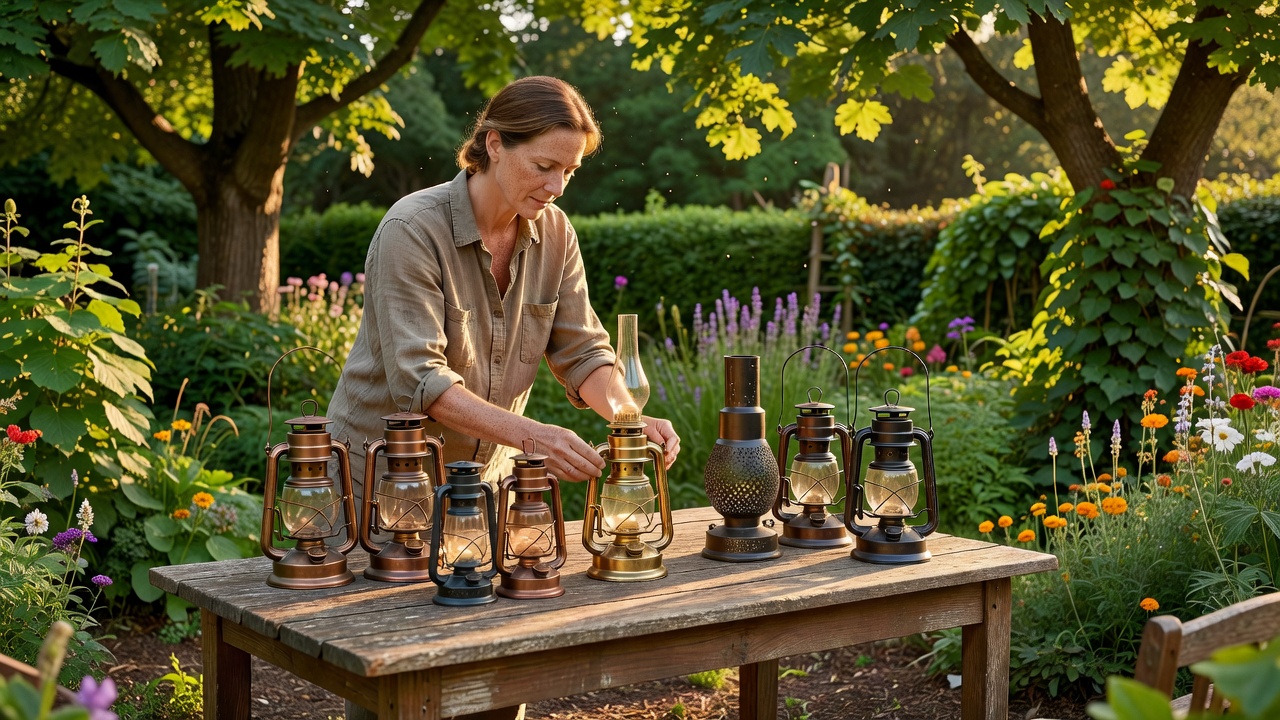
Use a stable, suitable lantern that leaves space for food and does not obscure faces or shine at eye level.
Accent: is it genuinely adding something?
Keep the smallest effective amount of decorative light. Switching a layer off is often the best adjustment.
Use equipment intended for the conditions
Read the manufacturer’s instructions for the whole lighting system, including plugs, transformers, connectors and controls. An outdoor-rated lamp does not make an indoor extension lead or exposed connection suitable for rain. An ingress-protection rating describes particular tested protection; it is not a blanket promise that a product can be submerged, left in standing water or used in every arrangement.
For mains-powered outdoor installations, use a qualified electrician familiar with local requirements. In the UK, relevant considerations may include BS 7671 and appropriate residual-current protection. Elsewhere, follow the applicable local electrical rules. Do not splice lighting cables, overload extensions or improvise waterproof joints. The Electrical Safety First website offers general electrical-safety information, not site-specific approval for your setup.
Battery lanterns can reduce trailing leads, but they still need suitable weather protection and stable placement. Keep battery compartments secure, especially where children could access small cells. Solar lights depend on charging conditions and may fade sooner than expected; do not make a critical step or exit depend on an untested solar product. Have a reliable, appropriate backup.
Leave some of the garden dark
Light only the area you are using, aim it down and switch it off when the gathering ends. Avoid illuminating hedges, ponds, tree canopies and suspected wildlife roosts. Warm-coloured light is not automatically harmless to wildlife. Duration, intensity and the direction of the beam can be just as important as the colour you choose.
The Bat Conservation Trust and the Institution of Lighting Professionals publish relevant guidance on bats and artificial lighting. If you know or suspect that a bat roost could be affected, seek appropriate specialist advice rather than experimenting with light placement. DarkSky International also provides useful principles for responsible outdoor lighting.
Finish with a real night-time check
Do a rehearsal before the gathering, ideally in the conditions you expect to use the space. Sit down, carry a tray, open the door and look back from the boundary. Adjust anything dazzling and keep light out of neighbouring windows. Set a switch-off time, collect temporary lights afterwards and bring in equipment that is not intended to remain outdoors. A good lighting scheme should make the corner easier to enjoy, then let the night return.